Felix Lang · 3 November 2026
Youth Voting Shifts Intersect With Court Cases on Northern Energy Developments
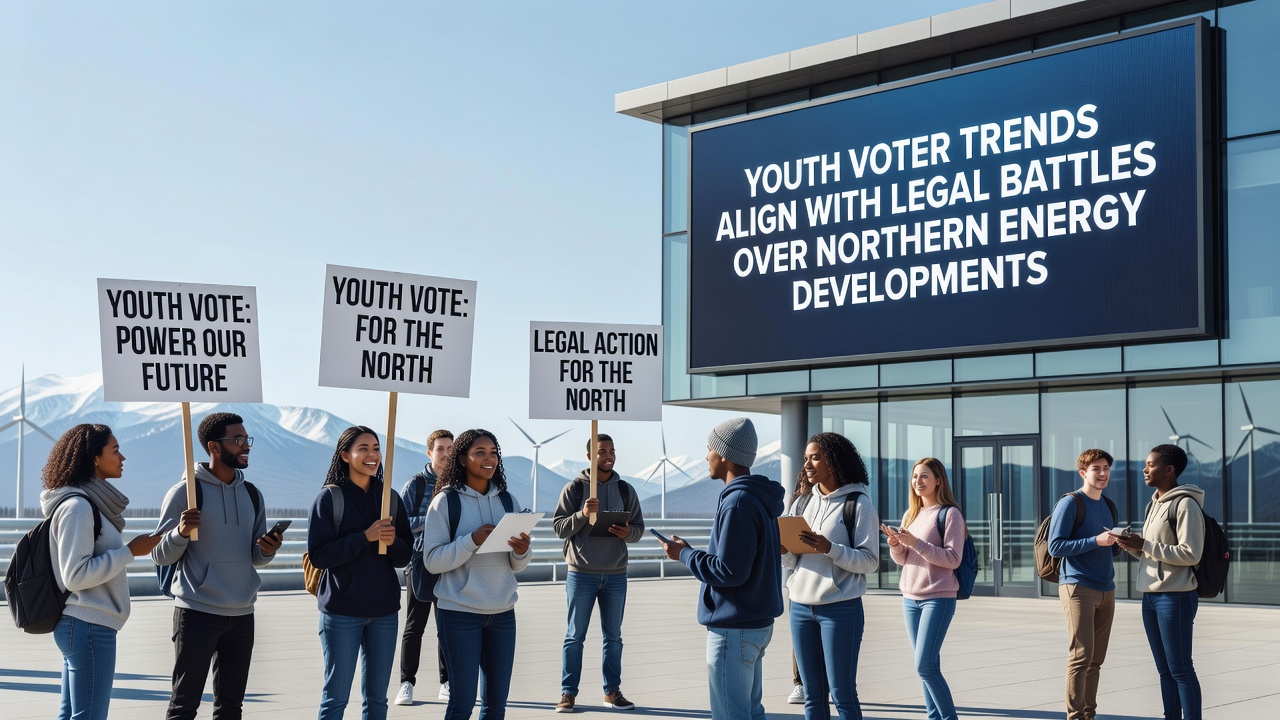
Surveys from multiple polling organizations show younger voters in Germany directing more attention toward climate and infrastructure issues, and this focus now overlaps with ongoing litigation over offshore wind farms and grid connections along the North Sea coast. Data compiled ahead of the 2026 federal votes indicates turnout among 18-to-29-year-olds has climbed steadily since 2021, while support for parties emphasizing rapid renewable expansion has grown in the same cohorts.
Survey Data on Youth Participation
Official statistics released by the Federal Returning Officer document a 7-percentage-point rise in first-time voter registration between 2017 and 2025, with northern states recording the sharpest increases. Researchers at the University of Hamburg cross-referenced these figures with responses from the biennial Youth and Politics panel, revealing that 62 percent of respondents aged 18-24 now list energy security and coastal ecosystem protection among their top three priorities.
Turnout projections for November 2026 therefore incorporate these patterns, and analysts at the German Institute for Economic Research note that even modest swings within this demographic can alter seat distributions in several coastal constituencies. The same panel data shows declining trust in conventional permitting processes, which correlates with support for legal challenges filed by environmental groups.
Legal Proceedings Over Northern Projects
Court records from the Federal Administrative Court list more than a dozen active cases involving permitting delays for high-voltage cables and turbine arrays between Borkum and Heligoland. Plaintiffs argue that environmental impact assessments have underestimated effects on marine mammal migration routes, while project developers cite updated grid expansion laws passed in 2023 as sufficient grounds for approval.
One case currently before the Higher Administrative Court in Schleswig-Holstein centers on a 380-kilovolt connection that would link new wind clusters to inland demand centers. Hearings scheduled for early 2026 will determine whether additional public consultations are required, and observers expect the ruling to set precedent for similar disputes further east along the Baltic coast.
Overlap Between Voter Trends and Litigation
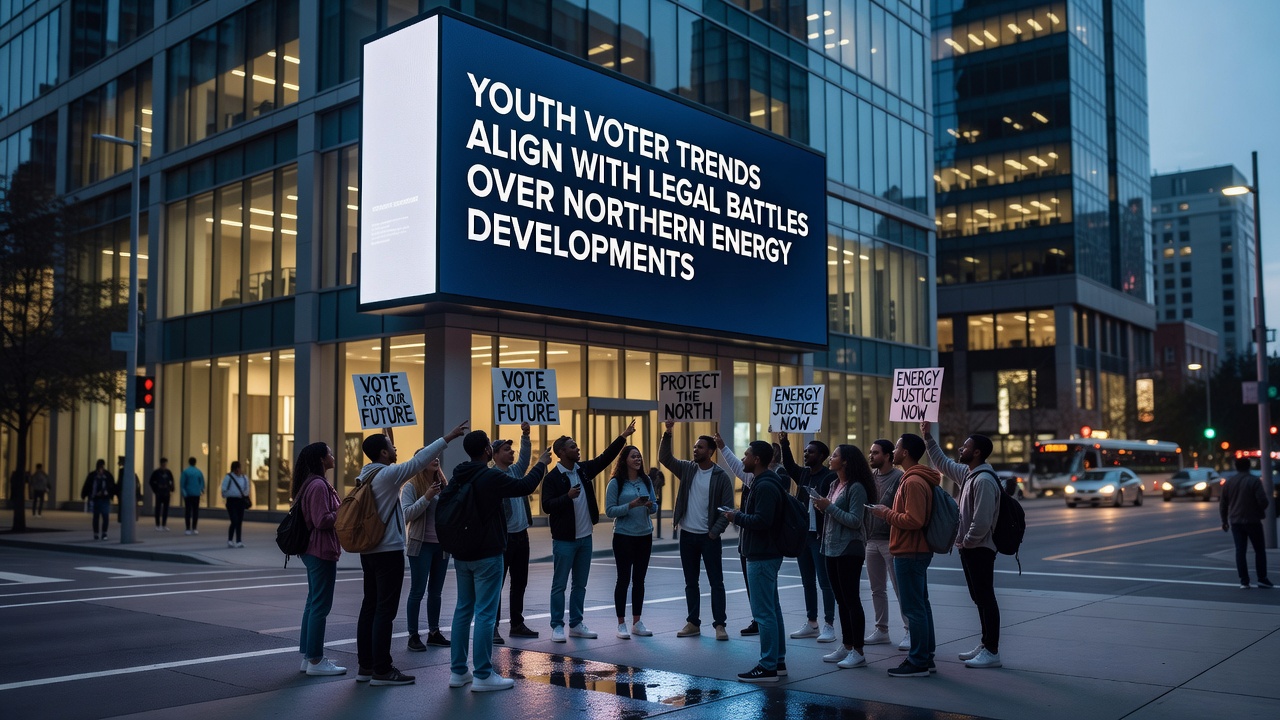
Campaign finance disclosures filed with the Bundestag administration reveal that several youth-led organizations have contributed modest sums to plaintiff groups pursuing these cases. Although direct coordination remains limited, messaging from both spheres emphasizes transparency in approval timelines and long-term cost allocation for grid upgrades.
Figures released by the Federal Network Agency show that average approval duration for North Sea wind connections has lengthened from 28 months in 2020 to 41 months in 2025. Youth survey respondents consistently cite these delays when explaining why energy infrastructure ranks higher on their political agenda than in previous cycles.
Regional Variations and 2026 Context
State-level election data from Lower Saxony and Schleswig-Holstein indicate that districts with visible construction activity around converter stations register higher youth engagement in local referendums on land-use changes. In contrast, inland constituencies farther from project sites show smaller shifts, suggesting proximity influences the strength of the observed alignment.
Preparations for the November 2026 federal vote already include targeted outreach by several parties to first-time voters in coastal areas. Materials distributed through university networks highlight both the legal status of pending projects and the platforms each party offers regarding accelerated permitting or stricter environmental safeguards.
Conclusion
Available records and survey results therefore establish a measurable connection between rising youth participation and teh volume of legal activity surrounding northern energy infrastructure. As the 2026 vote approaches, further updates from both polling organizations and court registries will clarify how these trends continue to develop.