David Hartmann · 19 October 2026
How National Youth Survey Trends Are Influencing Tech Investment Strategies in Bavaria Under Chip Supply Pressures and Northern Energy Scrutiny
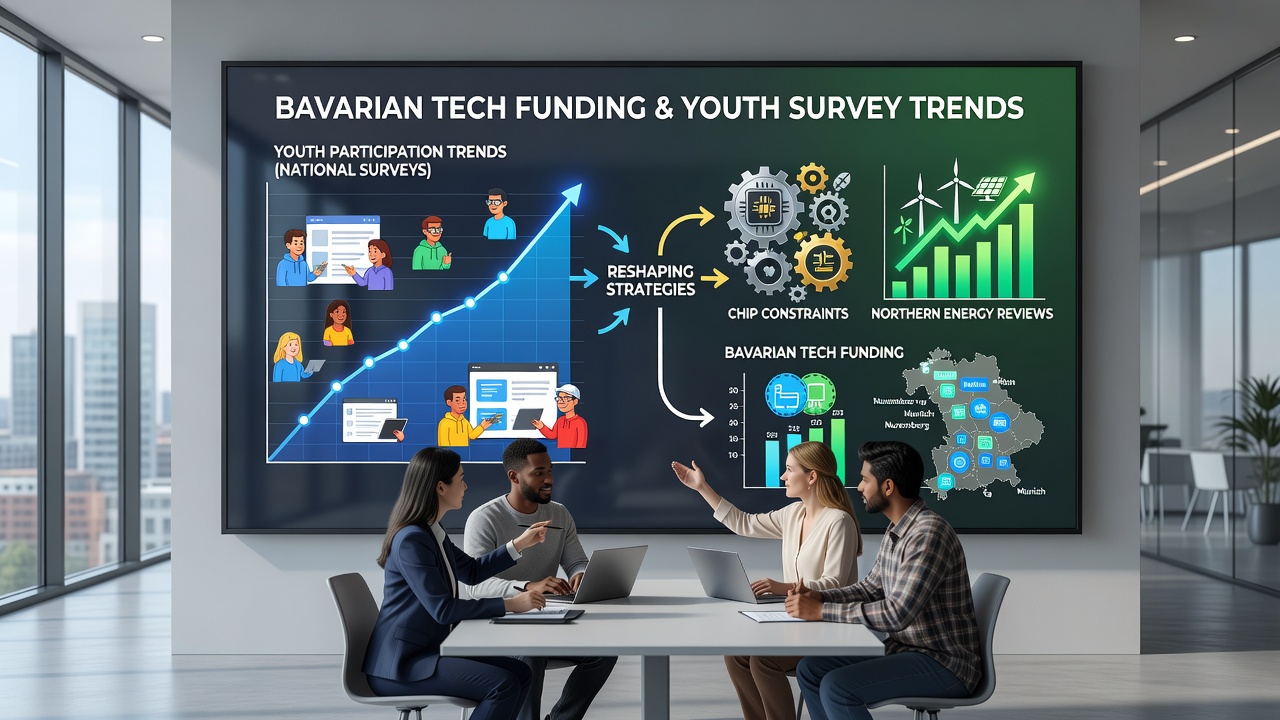
National surveys tracking youth participation have shown consistent growth in engagement levels since 2023, with data indicating that respondents aged 18 to 29 now represent over 35 percent of total participants in key policy questionnaires administered by federal agencies. These figures come from coordinated efforts by the German Federal Statistical Office and regional partners, where increased digital outreach methods have boosted response rates across multiple states including Bavaria.
Analysts at institutions such as the Fraunhofer Institute have documented how this demographic shift correlates with revised priorities in technology funding allocations. Bavarian state ministries responsible for economic affairs have begun incorporating survey-derived insights into grant programs focused on semiconductor development, particularly as global chip supply chains face ongoing constraints from production bottlenecks reported in 2025.
Shifts in Bavarian Technology Funding Approaches
State-level budgets for microelectronics research and development have undergone adjustments in recent cycles, with allocations directed toward collaborative projects that align with themes emerging from youth feedback such as sustainable manufacturing practices and workforce training initiatives. Records from the Bavarian Ministry of Economic Affairs show that applications emphasizing these areas received priority review during the 2025 funding round, reflecting patterns observed in aggregated national data sets.
Chip constraints have prompted further examination of domestic capacity expansion, where officials reference supply disruptions tracked by the European Chips Act monitoring framework. Funding strategies now emphasize partnerships between universities and industry players in regions like Munich and Nuremberg, aiming to address talent pipelines highlighted in survey responses that stress educational access and innovation opportunities.
Northern Energy Reviews and Interconnected Policy Considerations
Energy policy evaluations in northern German states continue alongside these developments, with reviews scheduled to intensify ahead of broader federal assessments planned for October 2026. Survey trends reveal youth respondents placing emphasis on integrated approaches that link energy infrastructure decisions to technological advancement, including grid modernization and renewable integration projects in areas such as Schleswig-Holstein and Lower Saxony.
Data compiled through the Federal Ministry for Economic Affairs and Climate Action indicates rising interest among younger demographics in cross-sectoral policies, where energy reviews intersect with semiconductor production needs due to high electricity demands in fabrication facilities. This has led regional planners to explore updated criteria for project approvals that account for both power availability and innovation potential.
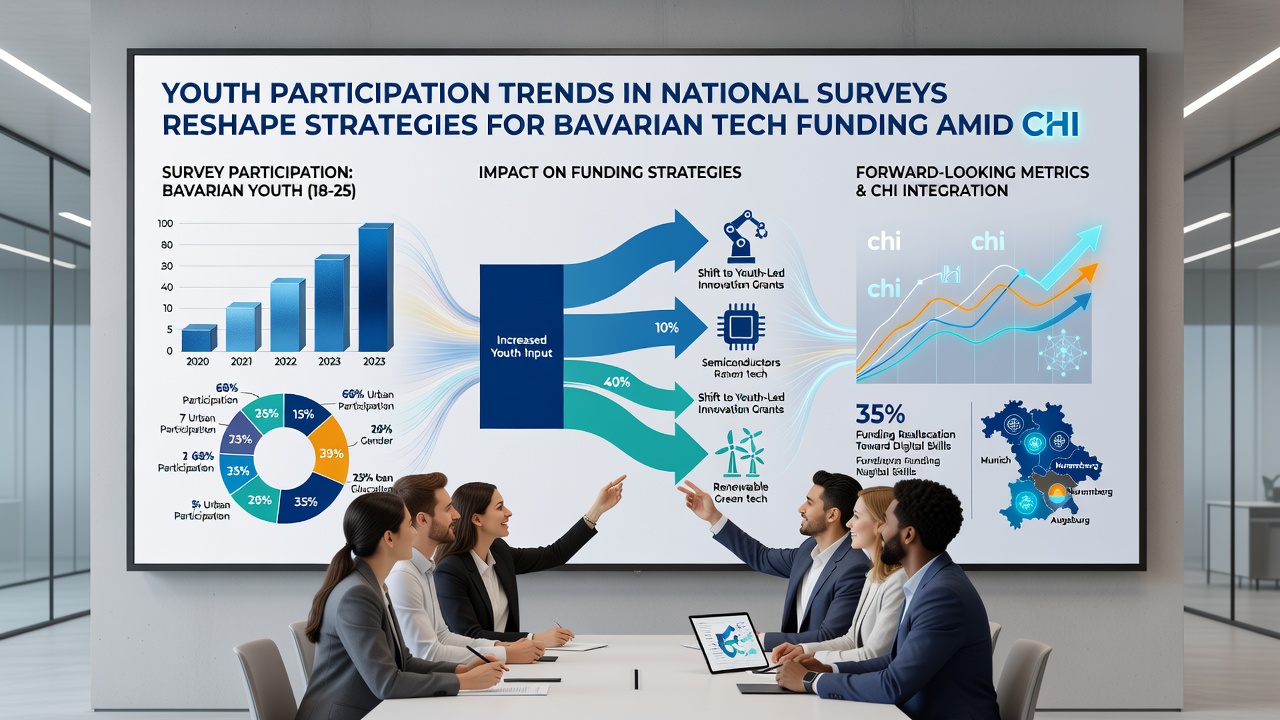
Coordination between Bavarian tech initiatives and northern energy frameworks occurs through intergovernmental working groups, where shared datasets from annual surveys inform joint recommendations. Participation metrics demonstrate that digital platforms used for these consultations have expanded reach, allowing input from diverse geographic locations to shape discussions on resource allocation and regulatory timelines.
Survey Methodologies and Resulting Data Patterns
Methodological updates in national polling efforts include stratified sampling techniques that ensure balanced representation across age groups and regions, yielding detailed breakdowns on policy preferences. Reports from the 2025 survey cycle highlight increased focus on digital infrastructure resilience and environmental considerations, elements that have fed into strategic documents guiding Bavarian tech expenditures amid persistent semiconductor material shortages.
European Union statistical portals provide supplementary context on comparable trends across member states, showing similar upticks in youth engagement with science and technology policy questions. These patterns have encouraged Bavarian administrators to pilot new outreach programs that connect survey participants directly with funding opportunity briefings, fostering continued involvement in subsequent rounds.
Implications for Upcoming Policy Cycles
Preparations for October 2026 evaluations incorporate these evolving participation trends, with emphasis placed on longitudinal tracking of respondent views regarding chip technology dependencies and energy system transitions. Government databases maintained by the Federal Network Agency record ongoing monitoring of northern grid capacities, which factor into broader assessments of industrial competitiveness in southern states like Bavaria.
Academic studies from institutions including the Technical University of Munich have analyzed correlations between survey responses and actual funding outcomes, noting that themes around workforce development receive sustained attention in proposal evaluations. Such findings support adjustments in application guidelines without altering core eligibility requirements established under existing state regulations.
Conclusion
National survey data on youth participation continues to inform refinements in Bavarian technology funding mechanisms while northern energy reviews progress toward their next phase. Official records and statistical compilations from federal and European sources document these interconnections, providing a basis for coordinated strategies that address chip supply limitations alongside infrastructure planning. Ongoing data collection efforts ensure that policy adjustments remain aligned with observed participation patterns through 2026 and beyond.