
Nils Butler · 2 November 2026
Coalition Discussions in Berlin Spotlight Clashes Between Digital Regulation Efforts and Energy Infrastructure Clearances
Berlin coalition negotiations have drawn attention to conflicts that pit digital oversight mechanisms against timelines for energy project approvals, with talks intensifying ahead of November 2026 federal considerations. Parties involved continue to debate how data protection standards and cybersecurity requirements intersect with permitting processes for renewable installations and grid expansions across Germany.
Background on the Negotiations
Negotiators from major political groups gathered in the capital to address coalition frameworks, and they encountered roadblocks when digital policy proposals threatened to delay energy infrastructure decisions. Government records show that energy projects require multiple layers of review, yet digital oversight rules now demand additional compliance checks on data flows from smart grid technologies and monitoring systems. Observers note that these overlapping requirements have created procedural bottlenecks in several federal states.
Key Points of Tension
Digital oversight centers on expanding the role of agencies like the Federal Office for Information Security, while energy approvals fall under the jurisdiction of the Federal Network Agency. When coalition members proposed tighter encryption mandates for energy sector data, representatives from energy ministries argued that such measures could extend approval periods by months. Figures from the German Federal Ministry for Economic Affairs and Climate Action indicate that renewable project permits already average 18 months in some regions, and added digital criteria risk extending those durations further.
Energy advocates have pointed to specific cases where offshore wind farms in the North Sea faced delays after digital security assessments flagged vulnerabilities in remote monitoring equipment. At the same time, digital policy experts cited incidents in which inadequate oversight allowed unauthorized access to grid control systems in neighboring countries, prompting calls for stricter standards within Germany. These examples illustrate how each side frames the issue around risk management and timeline predictability.
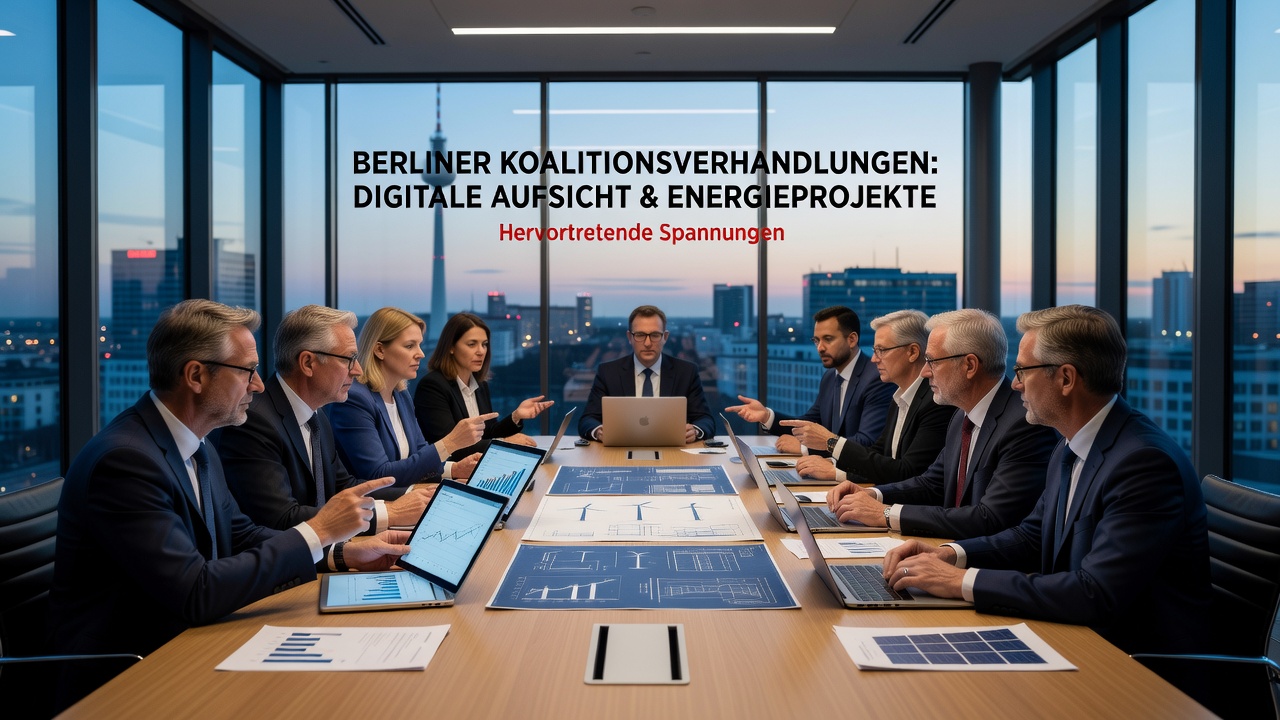
Regional Impacts and Data Trends
Data compiled by the European Commission on member state permitting processes reveals that Germany processes fewer energy projects per quarter than France or Spain, partly because of layered regulatory reviews. Coalition negotiators have examined whether harmonizing digital and energy review stages could reduce duplication, yet disagreements persist over which agency should lead combined assessments. In November 2026, upcoming federal vote preparations have added urgency, as parties seek to demonstrate progress on both climate targets and technological sovereignty.
One study from the University of Toronto's Munk School of Global Affairs examined similar regulatory overlaps in Canada and found that integrated review teams shortened approval cycles without compromising security benchmarks. German negotiators have referenced such models while weighing domestic adaptations, although implementation details remain under discussion.
Stakeholder Positions
Industry associations representing renewable developers have submitted position papers urging streamlined processes that maintain core digital safeguards but avoid sequential reviews. Meanwhile, consumer protection groups and digital rights organizations have emphasized the need for robust oversight to prevent data misuse in increasingly connected energy systems. Public records from recent hearings show testimony from both sectors highlighting real-world consequences of either excessive delay or insufficient protection.
What's interesting is how these positions have influenced draft coalition agreements, with some sections proposing pilot programs that test parallel review tracks in selected regions. Such pilots would track metrics like approval duration and incident rates before wider rollout, providing evidence for future adjustments.
Conclusion
Berlin coalition negotiations continue to navigate the intersection of digital oversight and energy project approvals, with outcomes likely to shape administrative practices through 2026 and beyond. Available data and documented cases underscore the practical challenges of balancing these priorities within existing frameworks, and further developments will depend on agreements reached among participating parties.