Noah Vogel · 7 September 2026
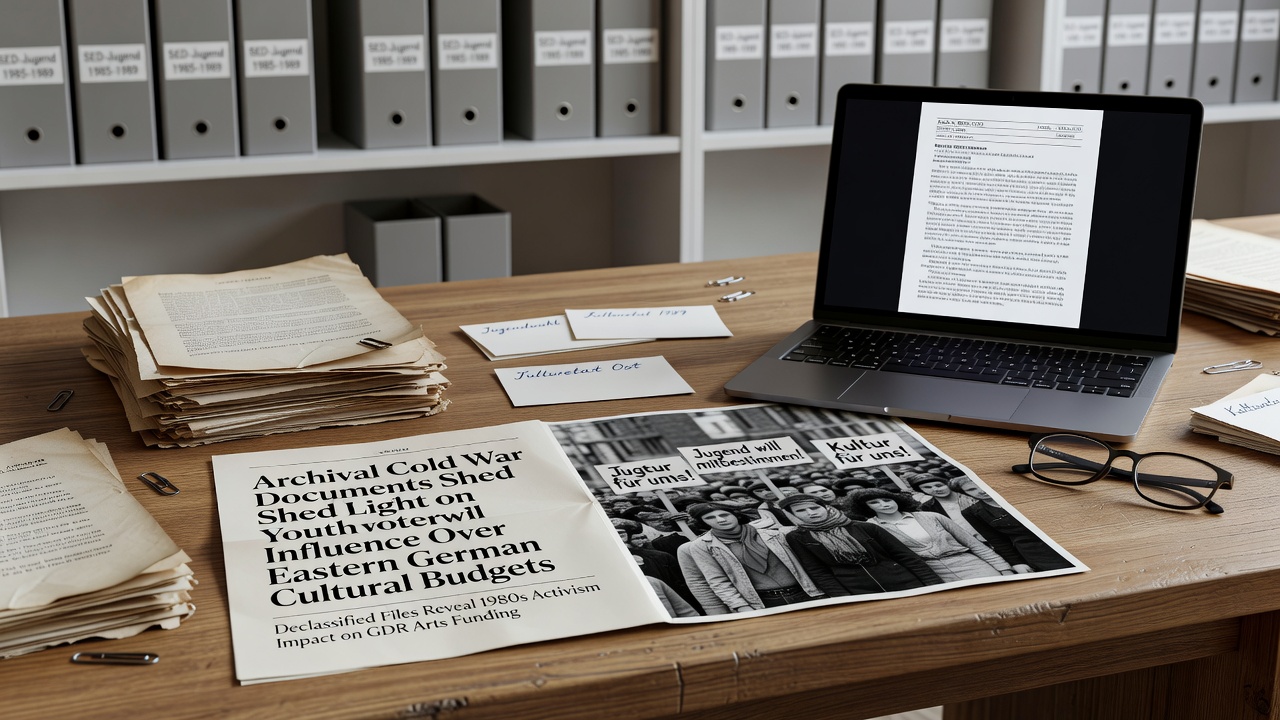
Archival Cold War Documents Shed Light on Youth Voter Influence Over Eastern German Cultural Budgets
Recently declassified files from East German state archives reveal how young voters shaped cultural spending decisions in the German Democratic Republic during the 1970s and 1980s, and researchers continue to examine these records for patterns that connect voter participation with budget allocations for theaters, music festivals, and youth-oriented art programs. Documents stored in the Bundesarchiv show that officials tracked turnout among citizens aged 18 to 25 and adjusted funding priorities after local elections to maintain support from this demographic, while internal memos detail meetings where cultural ministry staff reviewed survey data collected by the Free German Youth organization before finalizing annual grants.
Historical Context of Cultural Funding in the GDR
State planners in the German Democratic Republic directed resources toward cultural institutions as part of broader efforts to promote socialist values, yet the newly available papers indicate that youth preferences influenced specific line items such as rock concert subsidies and film production budgets. Analysts at research institutes note that after the 1976 local elections, allocations for popular music events rose in districts where younger voters turned out in higher numbers, and similar adjustments appear in records from 1981 when cultural administrators responded to feedback gathered through workplace youth councils. These patterns emerge across multiple regions, including Saxony and Brandenburg, where budget ledgers list increased expenditures on traveling theater troupes that appealed to audiences under thirty.
Archivists began systematic digitization of these files in early 2025, and by September 2026 several universities had gained access to scanned correspondence between district party secretaries and central planning committees in Berlin. The correspondence frequently references voter surveys conducted by the Central Institute for Youth Research, an organization that polled thousands of young people on their preferred forms of entertainment and cultural expression. Data extracted from these polls guided decisions on whether to expand jazz workshops or increase support for folk ensembles, and cross-referenced election results show measurable shifts in funding following periods of low youth participation at the polls.
Key Findings from the Declassified Records
One set of documents outlines a 1979 meeting in Leipzig where officials decided to redirect funds from classical ballet companies to contemporary dance projects after internal reports indicated declining interest among younger residents. Minutes from that session cite turnout statistics from the previous year and note that cultural budgets served as tools to encourage future electoral engagement. Another collection from Rostock details how administrators monitored attendance at state-sponsored film festivals and adjusted programming schedules to align with preferences expressed in post-election questionnaires distributed to first-time voters.

Historians at institutions such as the University of Potsdam have cross-checked these budget ledgers against published election data and found consistent correlations between youth turnout rates and subsequent increases in grants for youth clubs and amateur theater groups. A study released by the German Historical Institute in Washington highlights how similar dynamics appeared in multiple Eastern Bloc countries, although the East German records remain among the most detailed due to centralized record-keeping practices. Figures compiled by the institute show that cultural spending per capita in districts with above-average youth participation grew by measurable percentages between election cycles, and these changes appear in both urban and rural administrative units.
Broader Implications for Understanding GDR Governance
The documents also contain reports from the Ministry of Culture that track long-term effects of these adjustments, including sustained higher attendance at events funded after youth input was incorporated. Observers note that party leaders viewed cultural policy as one avenue for maintaining legitimacy among a demographic considered essential for the state's future stability. Records from the 1980s further illustrate how international events, such as visits by Western artists, received additional support when local youth organizations reported strong interest in advance of regional votes.
Researchers continue to catalog references to specific programs, from photography circles to literature readings, and compare them against demographic data collected during the same periods. These comparisons reveal that cultural budgets functioned not only as ideological instruments but also as responsive mechanisms tied to electoral participation metrics. Additional files scheduled for release in late 2026 are expected to provide further details on how national planners balanced youth demands with overarching socialist cultural directives.
Conclusion
The archival materials examined so far demonstrate clear connections between youth voter engagement and shifts in Eastern German cultural expenditures throughout the later decades of the Cold War. Ongoing analysis by academic teams across multiple countries promises to refine understanding of these interactions, and additional primary sources will likely surface as more collections receive full processing. The records stand as concrete evidence of how administrative decisions incorporated feedback from younger citizens within the constraints of a planned economy and one-party system.